In the world of construction, woodworking, and various DIY projects, cross line laser levels have become indispensable tools. They offer a high – precision way to create horizontal and vertical reference lines, making tasks like hanging pictures, installing cabinets, and laying tiles much easier and more accurate. As a supplier of cross line laser levels, I am often asked the question: "Do cross line laser levels need calibration?" In this blog, I will delve into this topic in detail, exploring the reasons behind calibration, the calibration process, and the implications for users and our business. Cross Line Laser Levels

The Importance of Calibration
Calibration is the process of comparing a measurement device’s readings with a known standard to ensure its accuracy. For cross line laser levels, accuracy is crucial. A small deviation in the laser lines can lead to significant errors in the final installation or construction work.
Imagine you are installing kitchen cabinets. If the cross line laser level is not calibrated correctly, the cabinets may end up being uneven, not only affecting the aesthetic appeal but also the functionality. In a large – scale construction project, such as building a multi – story building, inaccurate laser lines can lead to misaligned walls, floors, and other structural elements, which could compromise the safety and durability of the building.
Moreover, in professional settings, accuracy is often required to meet industry standards and regulations. For example, in the installation of electrical wiring, the laser level must provide precise horizontal and vertical references to ensure that the wiring is installed in a straight and safe manner. Failure to use a calibrated laser level could result in non – compliance with electrical codes.
Factors Affecting the Accuracy of Cross Line Laser Levels
Several factors can cause a cross line laser level to lose its accuracy over time:
Physical Impact
Cross line laser levels are often used in rough construction environments. They can be dropped, bumped, or knocked around during transportation or on – site use. Even a minor impact can cause the internal components of the laser level, such as the laser diodes or the optical lenses, to shift slightly. This shift can result in the laser lines being misaligned, leading to inaccurate measurements.
Temperature and Humidity Changes
Extreme temperatures and high humidity can also affect the performance of cross line laser levels. Temperature changes can cause the materials inside the laser level to expand or contract, which may affect the alignment of the laser components. High humidity can lead to condensation inside the device, which can damage the electronic components and also affect the accuracy of the laser lines.
Wear and Tear
With regular use, the internal components of the cross line laser level will experience wear and tear. The moving parts, if any, may become loose or worn out, and the laser diodes may degrade over time. All these factors can contribute to a decrease in the accuracy of the laser level.
The Calibration Process
Calibrating a cross line laser level is a technical process that typically involves professional equipment and expertise. Here is a general overview of the calibration process:
Initial Inspection
The first step is to visually inspect the laser level for any obvious physical damage, such as cracks or loose parts. If there is significant damage, the device may need to be repaired before calibration.
Alignment Check
Using a precision reference surface, the technician will check the alignment of the laser lines. The reference surface is usually a flat and level surface with known dimensions. The technician will compare the laser lines projected by the laser level with the reference surface to determine if there are any deviations.
Adjustment
If the laser lines are found to be misaligned, the technician will make the necessary adjustments. This may involve using specialized tools to adjust the position of the laser diodes or the optical lenses. The adjustments are usually made in small increments to ensure that the laser lines are accurately aligned.
Verification
After the adjustments are made, the technician will verify the accuracy of the laser level by repeating the alignment check. The device is considered calibrated if the laser lines are within the acceptable tolerance range.
Calibration Frequency
The frequency of calibration depends on several factors, including the frequency of use, the working environment, and the manufacturer’s recommendations.
For professional users who use the cross line laser level on a daily basis in harsh construction environments, it is recommended to calibrate the device at least once every six months. This ensures that the laser level maintains its accuracy and reliability over time.
For occasional users or those who use the laser level in a relatively mild environment, calibration once a year may be sufficient. However, it is always a good idea to check the accuracy of the laser level before starting any important project.
Implications for Our Business as a Supplier
As a supplier of cross line laser levels, understanding the need for calibration is essential for several reasons.
Customer Education
We have a responsibility to educate our customers about the importance of calibration. By providing clear and detailed information about calibration, we can help our customers make informed decisions about the use and maintenance of our products. This can enhance customer satisfaction and loyalty.
Product Quality Assurance
Calibration is also related to our product quality assurance. We need to ensure that the cross line laser levels we supply are accurate and reliable. By working with professional calibration services or having our own calibration facilities, we can guarantee that our products meet the highest standards of quality.
After – Sales Support
Offering calibration services as part of our after – sales support can be a significant competitive advantage. Customers are more likely to choose a supplier that provides comprehensive after – sales support, including calibration and repair services. This can help us differentiate ourselves from our competitors and increase our market share.
Encouraging Contact for Purchase and Calibration Services
If you are in the market for a high – quality cross line laser level, you’ve come to the right place. Our products are designed to meet the needs of both professional contractors and DIY enthusiasts. We offer a wide range of cross line laser levels with different features and price points to suit your specific requirements.
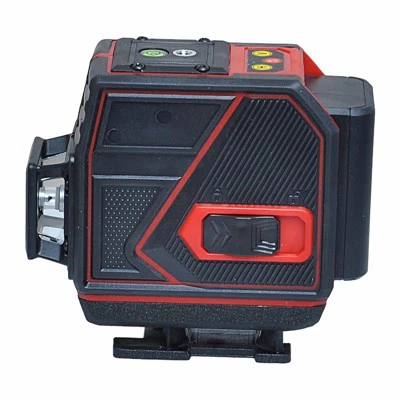
In addition to providing top – notch products, we also offer calibration and repair services. Our team of experienced technicians uses state – of – the – art equipment to ensure that your laser level is calibrated to the highest accuracy. Whether you need a one – time calibration or a regular maintenance plan, we can provide the services you need.
Line Laser If you are interested in our products or services, please don’t hesitate to contact us. We are always happy to answer your questions, provide product recommendations, and discuss your specific needs. Let us help you take your projects to the next level with our accurate and reliable cross line laser levels.
References
- Construction Equipment Handbook: A comprehensive guide on the use and maintenance of construction tools, including laser levels.
- Laser Technology Journal: Articles on the latest advancements in laser technology and the importance of accuracy in laser – based measurement devices.
- Manufacturer’s manuals for cross line laser levels: Provide detailed information on the operation, maintenance, and calibration requirements of specific products.
Nantong Jiadebao Optoelectronic Technology Co., Ltd.
Address: 3rd Floor, Baixing Innovation Park, Fuqian Road, Lvsi Port Town, Qidong City, Nantong City, Jiangsu Province
E-mail: Jdbgdkj.alex@outlook.com
WebSite: https://www.jdbgdkj.com/
