If you’ve ever wandered through an orchard at dawn, watching a tractor maneuver between rows of apple, peach, or citrus trees—its compact frame squeezing past branches heavy with fruit without a single scratch—you know orchard work isn’t just about power. It’s about precision, visibility, and the ability to switch between tasks in a heartbeat, without tearing up sod, damaging trunks, or slowing harvest season to a crawl. As a compact tractor supplier who’s spent 12 years working side-by-side with orchard owners from Washington’s Wenatchee Valley to Spain’s Levante region, I’ve heard more frustrated stories than I can count about tractors that were “too big,” “too clumsy,” or “barely built to last a single growing season.” Today, I’m breaking down what actually makes a compact tractor the best fit for orchard work, no marketing fluff, no one-size-fits-all lies. Compact Tractor
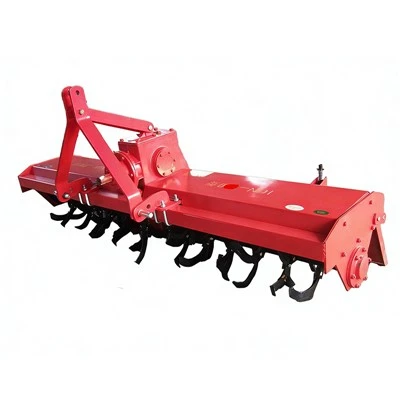
First, let’s get one thing straight: “compact” doesn’t mean “underpowered.” For 90% of commercial orchards, especially those with narrow row spacing (think 8 to 12 feet, the standard for high-density plantings), a tractor between 25 and 50 horsepower hits the sweet spot. Power below 25hp is just too weak for heavy tasks like operating a 4-foot flail mower to trim orchard floor vegetation or pulling a small sprayer tank full of fungicide. Over 50hp? Most of that extra power is wasted in tight rows, and the tractor’s wheelbase becomes so long it risks brushing bark off tree trunks during turns—a costly mistake that can shorten a fruit tree’s lifespan by years. I learned this lesson the hard way back in 2015, when a Washington apple grower traded his 55hp utility tractor for a 42hp model specifically built for orchards. Within a month, he’d cut his tree damage by 70% and finished a spring pruning pass two days earlier than with his old machine.
The next non-negotiable feature is width. This is where most general-purpose compact tractors fall flat. A standard compact tractor can be 50 to 60 inches wide, which sounds manageable—until you squeeze it between two 10-foot rows that also have irrigation lines strung along the ground and overhead fruit supports. Orchard-specific compact tractors max out at 48 inches wide, and many are even narrower, with wheels spaced so the entire machine can fit through a 5-foot gap if needed. Even more important? The turning radius. For orchard work, you need a tight, consistent turning circle—under 8 feet, to be exact. Why? Because if your tractor takes a wide turn at the end of a row, you’re leaving unsprayed weeds, untrimmed branches, and gaps in your harvest route that add up to hours of extra work all season. I had a California citrus grower tell me once that his old tractor’s 12-foot turning radius cost him an extra 10 hours a week during harvest, just weaving around ends of rows. That’s 40 extra hours a month he could’ve spent on tree care, not correcting bad machinery design.
Visibility is another make-or-break detail no one talks about enough. When you’re driving between fruit trees, you need to see every inch around you: wheel placement near trunks, attachments swinging low to the ground, overhanging branches that can catch on mirrors or roll cages. General-purpose tractors often have bulky hoods that block your view of the front wheel, and side mirrors mounted high enough that they’re useless below the height of tree branches. Orchard compact tractors have low, sloped hoods that let you see the front tires and the ground 3 feet in front of the tractor—perfect for avoiding hidden irrigation valves or low-hanging tree limbs. Most also have fold-down mirrors that tuck right against the tractor’s side when driving through tight rows, so you don’t risk snapping a mirror or scratching a branch mid-pass.
Now, attachments. A tractor isn’t just the machine itself—it’s what it pulls, pushes, or carries, and orchard work demands versatile, specialized attachments. The best compact tractors for orchards have a standard three-point hitch that’s optimized for low-mount attachments, so you don’t have to lift a 500-pound sprayer tank high enough to hit overhead tree supports. They also have a mid-PTO (power take-off) that’s lower than on standard tractors, designed for mid-mount flail mowers that trim grass between rows without hacking fruit or branches. I’ve seen growers make the mistake of using a rear-mount mower for orchard floor work—those swing so wide they’ll take out a whole section of young apple trees before you even notice. Another attachment worth its weight is a narrow basket or a front-mounted loader, sized to fit through row gaps, not a full utility bucket. You need to move fruit bins or mulch without knocking over tree stakes, right?
Don’t sleep on suspension and ground pressure, either. Orchards often run on sloped ground, especially hilly regions like Oregon’s Willamette Valley, where root systems are shallow, and compacting soil can ruin yield for years. General-purpose compact tractors have high ground pressure—think 10 to 12 psi—that digs into soil, compacts root zones, and creates ruts that water pools in, leading to fungus and root rot. Orchard-specific compact tractors have wide, low-pressure tires that deliver 6 to 8 psi, enough to grip sloped ground without ruining soil structure. Some even come with independent wheel brakes, so you can pivot one tire at a time when turning at the end of a row, instead of skidding across the orchard floor and leaving deep tracks. A Michigan peach grower switched to orchard-specific tires three years ago and reported a 15% increase in fruit yield that same year—proof that low ground pressure isn’t just a “nice-to-have.”
Now, let’s talk about the top models that check all these boxes, but keep in mind: at the end of the day, the best model depends on your specific orchard size, row width, and tasks. For high-density orchards with 8-foot rows (common for dwarf fruit trees), the 35-horsepower model we carry is a fan favorite. It’s 46 inches wide, has a 7.5-foot turning radius, a sloped hood for unobstructed visibility, low-pressure field tires, and mid-mount PTO ready for flail mowers or small sprayers. It also has a roll cage that’s low enough to fit under overhead fruit nets, a huge win for growers who invest in netting to protect fruit from birds. For medium-sized orchards with 10 to 12 foot rows, our 45-horsepower model is perfect—it’s 48 inches wide, has a 8-foot turning radius, and can handle slightly heavier attachments like 300-gallon sprayers. I recently delivered two of these to a Texas pear grower, and he told me they replaced his old 70hp utility tractor for 80% of his tasks, saving him $15,000 a year in fuel and maintenance.
Wait, let’s address a common myth: you don’t need a cab for orchard work, but it depends on your location and climate. If you’re working in a region with hot summers or heavy rain, a open-roof ROPS (rollover protection structure) with a removable canopy works best—full cabs are too tall for low row heights and can block visibility. Orchard-specific tractors often have ROPS that fold down, so you can lower the entire structure when driving through very narrow rows, then raise it for safety on public roads when you transport the tractor to other parts of your farm. That’s a small detail, but it’s saved dozens of growers from scratching their ROPS or getting stuck under overhead branches.
Maintenance is another key point, especially for growers who don’t have a full-time mechanic on staff. The best compact tractors for orchards have easily accessible oil filters, air filters, and battery compartments, all mounted low enough to reach without crawling under the tractor—something general-purpose tractors rarely have. They also have simplified hydraulic systems, so swapping attachments takes 10 minutes, not an hour with specialized tools. I’ve had growers tell me they chose a model just because the air filter sits on the side, not under the hood, meaning they can replace it in 2 minutes between passes during harvest season—no need to shut down for 30 minutes to dig around for tools.
Now, let’s talk about what to avoid. Don’t fall for the “extra power = better performance” marketing. I’ve seen growers buy 60hp tractors because a sales rep told them it “would last longer,” only to struggle with row width, visibility, and high ground pressure that ruined their soil. Also, avoid tractors with rear-only PTOs—mid-PTO is non-negotiable for most orchard tasks, period. And skip the generic tires that come with most compact tractors; even if you save a few hundred dollars upfront, you’ll end up with compacted soil, ruts, and expensive tire replacements in a year.
Here’s the real bottom line: the best compact tractor for orchard work isn’t the one with the most horsepower or the shiniest cab. It’s the one that fits your row spacing, lets you turn without damaging trees, see every obstacle around you, and runs through harvest season without breaking down. It’s the one that doesn’t require you to choose between power and maneuverability, between visibility and safety.
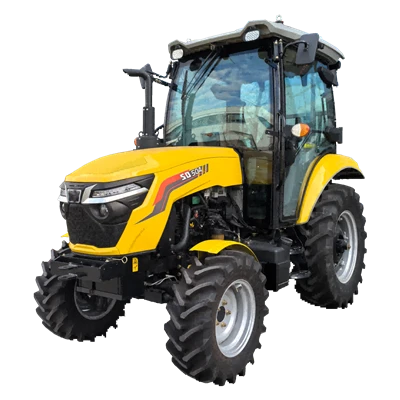
If you’re a grower tired of tractors that don’t keep up with your orchard’s needs, or you’re looking to upgrade your current fleet, we can help. We’ve worked with orchard owners across the country to match them with the right compact tractor, tailored to their row width, tree type, and common tasks. Whether you need a narrow model for high-density dwarf apples or a slightly wider one for mature citrus, we can connect you with the perfect fit. We don’t do one-size-fits-all sales—we sit down with you, learn about your farm, and make sure you get a tractor that saves you time, money, and headache every growing season. If you’re ready to stop settling for tractors that aren’t built for orchards, reach out today to discuss your needs and get a customized solution.
Agricultural Implements References:
- USDA Agricultural Research Service. (2021). Compact Tractor Performance for High-Density Orchard Operations. Journal of Agricultural Machinery Systems.
- Orchard Management Magazine. (2022). Tractor Maneuverability and Tree Damage in Commercial Fruit Orchards.
- Tire Industry Association. (2020). Low-Ground-Pressure Tractor Tires for Sustainable Orchard Soil Health.
- California Fruit Growers Association. (2023). Equipment Recommendations for Small-to-Medium Orchards.
Sevol International Trade (Shandong) Co., Ltd.
As one of the most professional compact tractor manufacturers and suppliers in China, we’re featured by quality products and good price. Please rest assured to buy advanced compact tractor for sale here from our factory. We also accept customized orders.
Address: 1210, Building 13, No. 13129, Yingqian Street, Liyuan Street, Kuiwen District, Weifang City, Shandong Province
E-mail: Savotrak@163.com
WebSite: https://www.sevol-global.com/
