If you’ve ever worked with plastic household items, either as a longtime supplier like me or someone who’s just started building their home storage system, you know how frustrating it is to pull out a container that’s cracked at the base, a food storage set that’s stained beyond repair, or a bin that’s warped from sitting in the wrong spot. For over 12 years, I’ve shipped everything from collapsible food containers and laundry baskets to plastic storage bins and cutting boards to customers across the country, and one of the most common questions I get from both home users and small business owners is: “How do I make my plastic items last as long as possible?” Plastic Household Items

I get it—plastic is affordable, lightweight, and versatile, which is why it’s such a staple in most households. But it’s also finicky. Unlike glass or metal, it doesn’t hold up well to extreme temperatures, direct sunlight, or crammed storage without a little care. After years of testing storage solutions for my own warehouse and hearing feedback from thousands of customers, I’ve put together a set of practical, science-backed tips that work for every type of plastic household item, whether you’re storing them in a tiny apartment closet or a large basement storage room.
Let’s start with the basics: not all plastic is created equal. This is a lesson I learned early on as a supplier, when I realized that the material your items are made of dictates how you store them. Most plastic household items fall into a few key categories, each with unique storage needs: polypropylene (PP) for food containers and cutting boards, polyethylene (PE) for bins and laundry baskets, polystyrene (PS) for disposableware and small storage boxes, and polyvinyl chloride (PVC) for things like shower curtains and hose reels. Understanding which type you’re dealing with is the first step to proper storage. For example, PVC is super sensitive to UV light, so storing a shower curtain in a sunny spot will turn it brittle in months, while PP is far more resistant to sun exposure and heat.
Next up: temperature control. This is probably the biggest mistake I see people make when storing plastic items, and it’s one that even my own team used to make in our early warehouse days. Extreme hot or cold temperatures break down plastic’s molecular structure over time, leading to warping, cracking, or discoloration. If you’re storing plastic food storage containers, for instance, never leave them in a hot car or near a water heater for long periods. I once had a customer ship a set of our PP food containers back saying they’d warped, and when I asked where they’d kept them during the summer, they admitted they’d stored them in their garage, which got up to 110 degrees every afternoon. That’s exactly why it happened. Cold is almost as bad—storing plastic items in a freezing unheated garage in the winter can make certain types brittle, especially thin items like snack containers or plastic utensils. The sweet spot for most plastic household items is a consistent temperature between 50 and 80 degrees Fahrenheit, which is why closets, under-bed storage, or a climate-controlled basement are ideal.
Direct sunlight is another enemy, and it ties into temperature, but it’s worth calling out separately because so many people store plastic items in sunny areas without realizing the damage. UV rays break down plastic polymers, causing them to fade, become cloudy, or turn brittle. I’ve seen so many plastic storage bins left on a back porch all year that crumble when you try to pick them up in the spring, or plastic cutting boards that were stored on a sunny kitchen counter that cracked within a year. The fix is simple: keep plastic items away from windows, skylights, or other sources of direct sunlight when storing them. If you need to store bins in an area with natural light, use opaque bins instead of clear ones—opaque plastic has built-in UV inhibitors that prevent sun damage, which is why we use opaque PE for most of our heavy-duty storage bins.
Now, how you arrange and stack your items matters too, and it’s not just about saving space. Overstacking heavy plastic items is a common issue. For example, if you stack 10 heavy plastic laundry baskets on top of each other, the ones at the bottom will get compressed, leading to warped sides or cracked handles over time. Even food storage containers, which are relatively lightweight, can develop dents or cracks if you stack too many on top of each other. When stacking, follow the “heavy at the bottom” rule: put the largest, heaviest plastic items on the bottom, and the smaller, lighter ones on top. Also, leave a little space between items instead of cramming them tight—plastic needs room to breathe. Tight, enclosed spaces can trap moisture, which leads to mold or mildew growth, especially on porous plastics like PE. I learned this the hard way when our warehouse had a shelf that was too tight for plastic cutting boards; after a few months, we noticed faint mold spots on the ones at the back that had never dried properly after being washed.
Moisture control is another critical point, especially for items that come into contact with water. Things like shower curtains, dish racks, plastic cutting boards, and even laundry baskets can retain moisture if they’re not fully dry before storage. This is a recipe for bacteria growth, odors, and even material breakdown over time. I always advise customers to wash and completely dry any plastic item before putting it away. For food storage containers, this means wiping them clean, making sure no food residue is left in the lids or the corners, and leaving the lids slightly ajar while they dry to prevent moisture buildup. For shower curtains, it’s best to wash them with a gentle detergent, hang them fully to dry (not folded or bunched up) for 24 hours before storing. And for outdoor plastic items like hose reels or patio furniture covers, make sure they’re completely dry before stowing them in the garage or shed.
Let’s talk about specific types of items, because each has its own unique storage needs. Food storage containers, the most popular plastic household item we sell, deserve their own section. Many people make the mistake of nesting containers and lids together, which leads to lids getting lost or scratched. The better method is to either nest containers separately and store lids in a separate drawer or container, or invest in a container organizer that keeps lids sorted by size. Also, never store hot food containers with their lids on—allow them to cool to room temperature first, as the condensation that forms can make lids stick or promote mold. When storing unused food containers, avoid placing heavy items on top of them, as this can warp the plastic, making them less useful for sealing food later.
Then there are laundry baskets and hampers. These are often stored in basements, laundry rooms, or even garages, which can be damp. I always recommend picking a storage spot for laundry baskets that’s well-ventilated, and if you’re not using a basket for a while, make sure it’s completely dry inside and out. If you have mesh laundry baskets, avoid stacking heavy items on them, as the mesh can stretch or tear. For plastic hampers with a solid bottom, make sure there’s no water sitting in the bottom when you store them—give them a quick wipe with a dry cloth if needed.
Plastic cutting boards are another item that gets misused in storage. Many people store them vertically in a cabinet, which is actually a good method if you have the space, but if you store them flat, don’t stack too many on top of each other. Cutting boards can scratch easily, especially wooden core ones with a plastic surface, so avoid stacking metal items or other hard objects on top of them. Also, don’t store cutting boards near a heat source like an oven or dishwasher, as the heat can warp the edges and make them unusable for food preparation.
Storage bins, the workhorses of plastic household items, have their own set of rules. When storing bins, label them clearly first—this might seem like a small thing, but it saves you from rummaging through dozens of bins and opening the wrong ones, which can knock over stacks and damage items. For large heavy-duty bins, use a shelf that’s rated for their weight, and never store them on the floor if you can avoid it—floor spaces can accumulate moisture, pests, and dust, all of which can damage plastic over time. If you have to store bins on the floor, place them on a plastic pallet to keep them elevated off the ground. Also, avoid storing anything sharp or heavy inside plastic bins that might puncture the walls or warp the bottom.
One thing I get asked a lot is whether plastic items can be stored in airtight containers. The answer is: it depends. For most regular plastic household items, airtight storage isn’t necessary, and actually, can trap moisture if the items aren’t fully dry. The only time airtight storage is useful is for items that are sensitive to dust or pests, like small plastic toys or delicate disposableware. For those, a sealed plastic storage bin with a tight lid works great, but make sure the items are completely dry before sealing them in.
Now, what about common mistakes to avoid that I see over and over again? First, don’t clean plastic items with harsh chemicals before storage. Bleach, ammonia, or abrasive cleaners can break down plastic over time, leaving it brittle or discolored. Stick to gentle dish soap and warm water, and dry thoroughly. Second, don’t leave plastic items exposed to oil or grease during storage—even small spills can stain plastic and break down its material, especially on food contact items. Third, don’t store plastic items with rubber parts (like tool handles on plastic garden tools, or the rubber seals on storage containers) near extreme heat. Rubber can degrade when exposed to high temperatures, making it crack or lose its flexibility, which can make containers leak or handles break.
If you’re a homeowner trying to extend the life of your plastic items, these tips should go a long way. But as a supplier, I also want to make sure that anyone out there needing bulk plastic household items knows that we follow these same guidelines in our own warehouse. We store our products in climate-controlled facilities, away from sunlight, arrange pallets to allow airflow, and make sure every item is properly packed to prevent damage during storage and shipping. Because we know that how we handle our products before they reach customers directly impacts how long those products last in their homes.
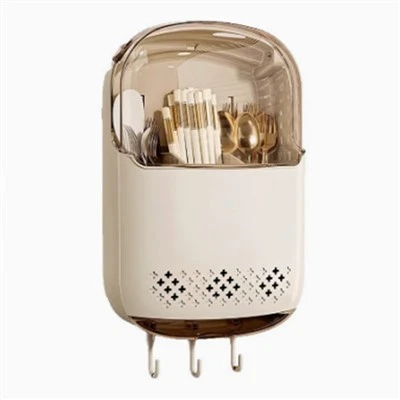
If you’re a retailer, property manager, or business owner looking to stock high-quality plastic household items that are designed to last, or if you have questions about our products or bulk ordering, feel free to reach out to discuss your specific needs. Whether you need small food storage sets for a grocery store, heavy-duty bins for a warehouse, or bulk laundry baskets for a multi-unit housing complex, we’re here to help.
Plastic Bathroom Accessories References:
- "Plastic Durability and Storage Guidelines" – American Plastics Council, 2019
- "Home Storage Best Practices for Plastic Household Goods" – National Association of Home Builders, 2021
- "Material Science of Common Plastics Used in Consumer Products" – Journal of Applied Polymer Science, 2020
- "Moisture Effects on Household Plastic Items" – International Residential Property Maintenance Association, 2022
Yongkang Shunjiang Plastic Products Co., Ltd.
As one of the most professional plastic household items manufacturers and suppliers in China, we offer a wide range of products with superior quality. Please feel free to wholesale bulk customized plastic household items from our factory. Also, pricelist is available.
Address: Kangzhuang Road, Xicheng Subdistrict, Yongkang City, Zhejiang Province, China
E-mail: 15158911623@163.com
WebSite: https://www.shunjiangplas.com/
