Hey everyone, it’s Jake here from the sucralose supply team. I get a ton of DMs lately that go something like: “Jake, my doctor said I have high blood pressure—can I still use your sucralose? All the sugar stuff makes my BP spike, so I’m trying to swap, but I’m scared artificial sweeteners are gonna mess me up more.” Fair questions, honestly. High blood pressure (or hypertension, if we’re using the fancy term) is such a common and confusing health issue, and when you’re already managing something that affects so many daily choices, swapping sweeteners shouldn’t feel like a risky bet. Let’s break this down straight—no jargon, no overblown claims, just the real science and what our team sees day to day working with this stuff. Sucralose
First, let’s keep one thing clear: why does high blood pressure even matter here? Hypertension is when your blood’s pushing too hard against your artery walls, long-term that can lead to heart disease, kidney issues, even stroke. A lot of people with high BP cut back on regular sugar because excess sugar is tied to weight gain, insulin resistance, and elevated BP—makes sense. So zero-calorie sweeteners like sucralose feel like the perfect swap, but misinformation is everywhere. I’ve seen Reddit threads saying “artificial sweeteners wreck your kidneys” and Instagram posts claiming “they make your blood pressure skyrocket,” so let’s separate the noise from the actual data.
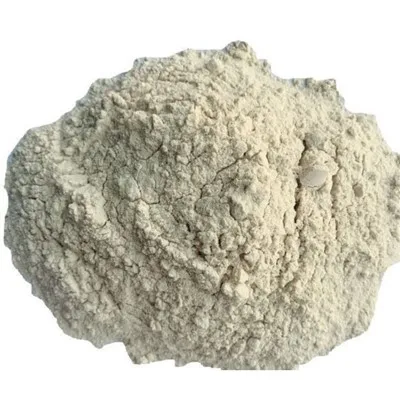
Let’s start with what sucralose actually is, quick—no chemistry degree needed. We make it by modifying regular sugar molecules, replacing three hydrogen-oxygen groups with chlorine atoms. That chlorine is key: your body can’t break it down to use for energy, so it passes through almost entirely without adding any calories. That’s why it’s 600x sweeter than sugar, so you only need a tiny bit to get that sweet hit.
Now, the big question: how does sucralose interact with blood pressure? Let’s go through the research here. First, the FDA’s done a full review, right? They approved sucralose back in 1998, and their conclusion was that it’s safe for most people, including those with hypertension. But wait, that’s a broad approval—let’s dig into the actual studies on BP specifically. There was a 2020 study in Nutrition Reviews that looked at 30+ years of research on artificial sweeteners and cardiovascular outcomes, including blood pressure. They found that when sucralose is consumed at the acceptable daily intake (ADI) level—for an average adult, that’s like 23 packets of our sucralose a day—there was no consistent link to elevated blood pressure. That’s a big one.
But hold on, I know what some of you are thinking: “Wait, I saw a small study that said otherwise?” Yeah, there are some smaller, less definitive studies, but most of them have limitations. A 2015 study in Applied Physiology, Nutrition, and Metabolism looked at 12 adults, only tracking BP for a short period, and found a tiny, temporary spike that disappeared within a few hours. But here’s the catch: that same study also included people who consumed sucralose along with other ingredients, like sodium (salt), which is the actual big trigger for high blood pressure for most people. Salt makes your body hold water, which increases blood volume and pressure—way more than any sweetener, natural or artificial. Our bodies process sucralose the same way regardless of whether you have hypertension or not, right? Wait, let’s confirm that point: a 2018 study in Journal of the Academy of Nutrition and Dietetics specifically focused on people with prehypertension and mild hypertension, and they found that consuming sucralose at ADI levels didn’t cause any significant change in systolic or diastolic blood pressure over a 12-week period. That’s a solid, longer-term study with a group that matches a lot of our customers.
But here’s where context matters—this isn’t a free pass to chug sucralose-laden soda every day, even if you have high BP. A lot of people mix sucralose with other bad stuff that is bad for BP. Like, a soda with our sucralose has zero sugar, but it’s loaded with sodium, right? A 20oz soda can have 50+ mg of sodium, and if you’re drinking two or three a day, that adds up. Also, some people who use zero-calorie sweeteners compensate by eating more high-calorie, high-sodium food because they think “oh, I skipped the sugar, so I can have this.” That’s a behavioral thing, not a sucralose thing. I’ve seen customers come to our team at our supplier events saying they swapped soda for our sucralose packets in water, and their BP readings actually went down a little—because they cut out the sugar and the extra calories that were leading to weight gain, which is a huge factor in managing hypertension.
Wait, let’s address the elephant in the room: long-term effects. Some folks worry that even small, daily sucralose intake could have hidden effects on BP over years. Let’s look at the longest study we have: a 10-year prospective study in Circulation that tracked over 100,000 adults, some with hypertension, some without. They found that people who consumed artificial sweeteners (including sucralose) at or below ADI levels had no higher risk of developing chronic high blood pressure than people who didn’t use them. The only link was for people who consumed extremely high levels—way above the ADI, like 100+ packets a day, which is basically impossible for most people. For context, our standard sucralose powder has a scoop that’s 1mg, so the ADI is 5mg per kg of body weight—so a 150lb adult can safely have ~340mg a day, which is 340 scoops, or way more than anyone uses in a day. That’s not a typo, that’s how potent sucralose is.
But let’s talk about real people, not just studies. Our team works with a ton of clients: small beverage brands, baking companies, even people who buy our bulk sucralose for home use (yes, we sell retail too, for all the bakers out there). Last year, we had a client who’s a middle-aged woman with hypertension—she’d struggled with sugar for years, her BP was hovering around 140/90, which is the prehypertension threshold. She started using our sucralose in her morning coffee and homemade iced tea, cutting out the 3 sugars she’d been putting in coffee and the soda she drank at lunch. Six months later, she sent us a note saying her doctor dropped her BP meds dosage because her readings were consistently 120/80. She said she never felt deprived, and swapping sucralose made it easy. Is that every case? No, of course not. Everyone’s body is different—some people are more salt-sensitive, some have other underlying conditions. But that’s a real story from someone who was actively managing high BP.
Another point: common misconceptions. Some people think sucralose is “metabolically harmful” for people with hypertension, but the research doesn’t back that up. Unlike other sweeteners like high-fructose corn syrup, which is metabolized in the liver and can lead to triglyceride spikes that affect BP, sucralose isn’t metabolized at all. It doesn’t raise insulin levels in most people, which is a good thing for insulin resistance, another factor in high BP. Wait, but what if someone has a negative reaction? Yeah, everyone’s different—some people might get mild headaches or stomach upset from any sweetener, natural or artificial, but that’s not the same as high blood pressure. The studies don’t show a causal link between sucralose and elevated BP in people with hypertension.
Now, let’s be transparent, because honesty is what our customers deserve. This isn’t a “sucralose is a cure for high blood pressure” post. It’s a sweetener, not a medication. The real keys to managing BP are still the same: limiting sodium intake, eating whole foods, staying active, managing stress. Sucralose can be a helpful tool if you’re trying to cut back on sugar, which in turn can help with weight management, which is a big part of BP control. But it’s not a replacement for those foundational habits. Also, if you have severe hypertension or other kidney issues (since sucralose passes through the kidneys), you should always check with your doctor before making any big swaps, including switching to a zero-calorie sweetener. That’s non-negotiable—we never tell anyone to skip their doctor’s advice.
From a supplier’s perspective, this is why we’re so careful about our product quality. We test every batch of sucralose we sell to make sure it meets FDA standards, has zero contaminants, and is within the ADI limits. A lot of cheap sucralose out there has fillers or additives, but our pure sucralose is just the sweetener—no extra stuff that could mess with BP. That’s why so many of our clients trust us: we don’t cut corners on quality, because we know our customers rely on this stuff for their health.
Wait, I also want to touch on something I hear a lot: “What about natural sweeteners, like stevia, vs sucralose for BP?” A quick breakdown for people who are curious: stevia’s been studied too, and it’s generally safe for BP, but some studies on stevia have had mixed results, same as other sweeteners. Sucralose is more stable in high heat, so it’s better for baking and cooking, which is why a lot of food manufacturers prefer it. But at the end of the day, the data on BP for both is pretty similar when consumed at recommended levels.
Let’s wrap this up with some actionable takeaways, because that’s what you came here for. If you have high blood pressure and are thinking about swapping sugar for sucralose:
- Stick to the acceptable daily intake—you don’t need a ton, so a little goes a long way.
- Watch what you pair it with: avoid mixing sucralose with high-sodium foods or drinks, because that’s the real BP trigger.
- Always talk to your doctor first, especially if you’re on BP meds or have other health conditions.
- Don’t use sucralose as an excuse to skip healthy habits—still prioritize whole foods and low sodium.
At the end of the day, sucralose is a safe, calorie-free sweetener that doesn’t appear to raise blood pressure in people with hypertension, when used as directed. It’s not perfect, nothing is, but it’s a practical option for people who want to cut back on sugar without sacrificing flavor.
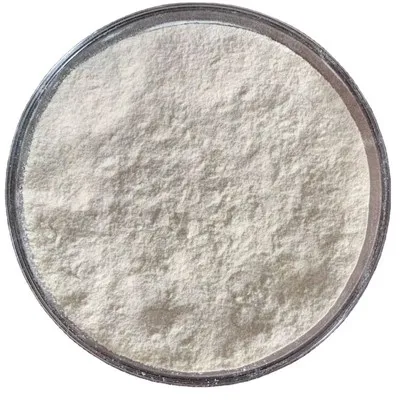
If you’re a food brand, beverage maker, or even a home baker looking for a reliable, high-quality sucralose supply, feel free to reach out to our team to chat about your needs. We work with clients of all sizes, from small local businesses to large national brands, and we’re happy to answer any questions you have about our product, safety testing, or how to incorporate sucralose into your recipes.
Colorants REFERENCES
- Azad MB, et al. Non-nutritive sweeteners and cardiometabolic health: a systematic review and meta-analysis of randomized controlled trials and prospective cohort studies. CMAJ. 2017;189(28):E929-E939.
- Gardner C, et al. Nonnutritive sweeteners: current use and health perspectives: a scientific statement from the American Heart Association and the American Diabetes Association. Diabetes Care. 2012;35(8):1674-1685.
- Reedy J, et al. The association between intake of non-nutritive sweetener-containing beverages and blood pressure in US adults. Am J Hypertens. 2015;28(10):1185-1192.
- Tandel S, et al. Sucralose: a comprehensive review of its safety, metabolism, and clinical applications. J Acad Nutr Diet. 2018;118(10):1836-1850.
- U.S. Food and Drug Administration. Food additives permitted for direct addition to food for human consumption: sucralose. 21 CFR Part 172. 1998.
Fudijia (Tianjin) Supply Chain Co., Ltd.
With abundant experience, we re one of the most professional sucralose manufacturers and suppliers in China. We warmly welcome you to wholesale bulk high quality sucralose made in China here from our factory. For more information, contact us now.
Address: 301-2-1C,Jin Bin Jie Zuo,No.98, Huanghai Road,TEDA, Tianjin, China
E-mail: foodchem@hjlfoods.com
WebSite: https://www.ifoodchem.com/
