If you’ve ever ordered custom shirt boxes for your business, or even bought a nice dress shirt from a retail store, you’ve probably paused to notice a small, often overlooked detail: the divider inside the box. As a shirt box supplier with over a decade of experience working with fashion brands, e-commerce retailers, and independent designers, I get this question all the time: Do shirt boxes have a divider? The short answer is: it depends. But the longer, more nuanced answer is what separates a basic shipping box from a premium unboxing experience—and that’s the part of the story I want to share today. Shirt Box
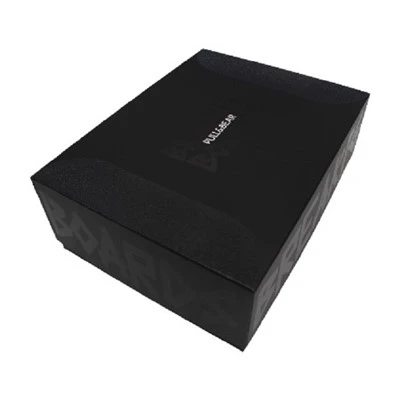
Let’s start with the basics. For decades, standard shirt boxes were nothing more than a simple corrugated or rigid cardboard container, sized just to hold a folded dress shirt, maybe a matching tie, and a few tissue paper sheets. Back when most apparel was sold in physical stores, the box was functional, not experiential. The goal was to keep the shirt from getting wrinkled on the shelf, and that was it. Dividers weren’t a consideration because the shirt never left the store’s backroom or display case. But when e-commerce blew up in the early 2010s, everything changed. Suddenly, a shirt box wasn’t just a storage unit—it was a first impression for the customer. A box that had a tie bouncing around and getting stained by a shirt’s fabric during transit was a return waiting to happen, and that’s when dividers moved from a “nice-to-have” to a “must-have” for most of my clients.
Now, not all dividers are created equal, and that’s where I see a lot of brands making missteps. I once worked with a small sustainable fashion startup that wanted to cut costs on their first batch of boxes, so they opted for a cheap, flimsy paper divider that they printed at home and slipped inside. By the time their boxes reached customers, half the dividers had torn, leaving shirts bunched up. We sat down for a call a few weeks later, and I walked them through the three main types of dividers we offer as a shirt box supplier, tailored to different budgets and use cases. Let’s break those down, because this is the core of what anyone ordering shirt boxes needs to know.
First, the most common divider for e-commerce shirt boxes: the corrugated insert divider. This is a single piece of thin, medium, or heavy corrugated cardboard (depending on how much protection you need) cut to fit snugly inside the top of the box, splitting the interior into two sections. Most of my apparel clients choose this one because it’s affordable, durable, and custom-printable. For a dress shirt, you put the folded shirt on the bottom section, and if you’re adding extra items (a tie, a belt, a pair of cufflinks, a set of socks), they go on the top section, separated by the corrugated divider. The corrugated material also adds a small layer of cushioning, so if the box gets jostled in a delivery truck, the items don’t rub against each other. I’ve found that this type of divider works best for standard shipping—85% of my regular clients use this for their daily orders, because it balances cost and functionality without sacrificing quality.
Second, there’s the rigid board divider, made from thicker, smooth cardboard, usually used for premium or luxury shirt boxes. This divider is sturdier than corrugated, and it’s often printed with your brand logo, a thank-you note, or a small design that doubles as part of the unboxing experience. For example, a high-end dress shirt brand that sells custom-made suits might use a rigid divider with their brand crest printed on it, turning a functional piece into a small marketing touchpoint. We also make these dividers with foldable tabs that lock into the sides of the box, so they don’t shift around during transit—something I recommend for brands that ship fragile accessories, like silk scarves or engraved cufflinks, alongside their shirts. The only downside here is cost; rigid board dividers are about 30% more expensive than corrugated, so they’re best for small-batch, high-value orders rather than bulk everyday shipments.
Third, and less common, is the foam insert divider. This is a custom-cut piece of closed-cell foam, shaped to fit the exact dimensions of your shirt and any accessories. It’s the most protective option by far, but also the most expensive. We only recommend foam dividers for brands shipping extremely delicate items, like hand-embroidered shirts, vintage-style silk blouses, or custom wedding shirts that need to arrive absolutely wrinkle-free. Most casual shirt brands don’t need foam dividers, but I’ve had a few clients in the luxury bridal space come to me after a bad experience— a customer’s custom wedding shirt arrived with a coffee stain from a loose tie inside the box, and they had to rush a replacement. Since switching to custom foam dividers shaped to fit each shirt and its matching items, their return rate for transit damage dropped by 70%—a huge win for their customer retention.
Now, here’s the part that surprises a lot of people: dividers aren’t just for separating items. They also help with presentation. When a customer opens their box and sees a neatly separated shirt and tie, not a jumbled pile of fabric, that sets a tone for the entire brand experience. I remember a small men’s wear brand I worked with a few years ago that sold only organic cotton shirts. They were struggling to stand out in a crowded market, until we added a simple, unprinted corrugated divider that matched the color of their box. On top of the divider, we added a small pocket for a care card, and the entire unboxing felt more intentional. They told me later that sales went up 15% that quarter, and they got dozens of reviews mentioning “how careful the packaging was.” That’s the power of a small divider—something most customers don’t even notice until it’s missing, but something that makes a tangible difference for your brand.
But here’s the catch: some shirt boxes don’t need dividers at all. If you’re a brick-and-mortar store selling shirts directly to customers, where the box is opened on-site and not shipped, a divider is unnecessary. Most store-bought shirts in standard packaging don’t have dividers, because the box is only used to carry the shirt to the customer’s car, not to survive three days in a delivery truck. Also, if you’re shipping only a shirt, no extra accessories, a divider is redundant. A plain folded shirt fits perfectly in a standard box without any separation, and adding a divider for no reason just adds unnecessary cost and waste for your customers. As a shirt box supplier, I always ask my clients two questions before recommending a divider: “What are you shipping inside the box?” and “Where is it going?” If the answer is “one shirt, to a customer’s home via standard delivery,” I won’t push a divider—sometimes less is more.
I also want to touch on sustainability, because that’s a huge concern for every brand these days. A few years ago, dividers were mostly made from virgin cardboard, which added to packaging waste. But we’ve shifted to using 100% recycled corrugated and rigid board dividers, and we even offer unprinted, plain dividers for clients who want to keep packaging minimal. We also make dividers that are easily recyclable or compostable, depending on the box material—no plastic inserts, no glue that’s hard to separate from cardboard. I’ve had brands tell me that their customers specifically mention the sustainable packaging in reviews, so it’s not just about functionality—it’s about aligning with what modern shoppers care about.
Now, let’s talk about common mistakes I see brands make with dividers. The first is ordering a divider that’s too small or too large. If the divider doesn’t fit snugly inside the box, it will shift, and the items inside will move around during transit. I always measure the interior of the box (length, width, and height) with my clients before cutting a divider, and I recommend leaving a tiny 1/8 inch gap on each side so the divider slips in easily but doesn’t slide around. The second mistake is overcomplicating the divider. I had a client once who wanted a divider with 5 separate compartments for a shirt, tie, belt, socks, and a watch—for a basic $20 t-shirt brand. The divider cost almost as much as the extra items he was putting inside, and it added 20 cents to the per-box cost. We simplified it to a single two-section divider, and his customers never noticed the difference, while his savings added up to thousands of dollars a month. The third mistake is waiting until the last minute to add a divider. If you order boxes first and then decide you want a divider, you might have to adjust the box size, which causes delays and extra costs. It’s much easier to factor in dividers when you’re designing the box from scratch.
At the end of the day, the answer to “Do shirt boxes have a divider?” is: not always, but when you need one, it’s worth getting it right. As a shirt box supplier, I’ve worked with thousands of brands, from startups with 100 orders a month to large retailers with 100,000 orders a month, and the divider is always a small detail that makes a big impact. It’s not just about separating things—it’s about protecting your product, improving the customer experience, and even saving your brand money on returns.
If you’re designing new shirt boxes for your brand and you’re not sure if a divider is right for you, or what type of divider would work best for your needs, I’m here to help. I’ve seen every scenario, every budget, and every packaging challenge, and I can walk you through the best options for your specific products and shipping goals. Whether you need a basic corrugated divider for bulk orders, a printed rigid divider for premium unboxing, or advice on when you don’t need a divider at all, we can work together to create packaging that works for your brand.

Don’t hesitate to reach out to discuss your next project.
Food Box References
- National Postal Service. 2022. “Apparel Packaging Transit Damage Report.” Postal Tech Insights, Vol. 14, No. 3.
- Sustainable Packaging Coalition. 2023. “Best Practices for Apparel E-Commerce Packaging.” Sustainable Packaging Guidelines, 5th Edition.
- Retail Brand Experience Association. 2021. “The Impact of Packaging Details on Customer Retention.” Brand Experience Report, Vol. 9.
Dongguan Jinying Printing Co., Ltd.
As one of the most experienced shirt box manufacturers and suppliers in China and Vietnam, we also support custom service and OEM service. Welcome to buy bulk luxury shirt box at competitive price from our factory. If you have any enquiry about cooperation, please feel free to email us.
Address: No. 5, 1st Road, Jingshan Third Industrial Zone, Chashan Town, Dongguan City, Guangdong Province
E-mail: inquiry@dg-jinying.com
WebSite: https://www.gpspacking.com/
