Hey everyone, it’s Jake from Well Furnace here. If you’re reading this, chances are you’ve got a home furnace, or you’re looking at upgrading to a better one, and you’ve probably heard “ventilation is key” more times than you can count. But let’s be real—most people brush it off as just another techy term they don’t fully get. I’ve seen so many folks get this wrong, and it’s not just about keeping your house warm; it’s about safety, efficiency, and not wasting money on a system that’s working way harder than it needs to. Today, I’m breaking this down like I would with a buddy who’s got a furnace that’s been acting up, so no boring jargon, just real stuff that actually works. Well Furnace

First off, let’s talk why ventilation for a Well Furnace isn’t just “opening a window.” If your furnace’s venting is messed up, that’s not just a minor annoyance—it’s a big safety issue. For one, natural gas and propane furnaces produce carbon monoxide (CO), which is odorless, colorless, and can kill you in high doses. Back in the day, I had a customer last winter—nice family of four, their furnace was 15 years old, and the vent pipe had a tiny crack from settling. They didn’t notice anything weird, just kinda tired and had a headache every night. Turned out that was CO creeping back into their basement because the vent wasn’t carrying it outside right. That’s the stuff no one talks about until it’s a problem, so I’m starting with that because it matters more than saving a buck on a filter.
Now, let’s get to the actionable stuff. I’ve been selling and installing Well Furnace units for 8 years, so these are the things I see people miss every single time.
First up: know your vent type, and don’t mix ’em up. A lot of homeowners don’t realize there are two main vent systems for furnaces—atmospheric (aka natural draft) and sealed combustion (aka direct vent). If you’ve got an older Well Furnace, it’s probably atmospheric: it sucks air from the basement to burn fuel, then pushes exhaust out through a metal pipe that runs up through your roof or side of the house. Newer Well Furnace units? Most are sealed combustion, meaning they pull fresh air directly from outside and push exhaust right back out—no mixing with indoor air. Here’s the mistake I see all the time: when someone replaces their old atmospheric furnace with a new direct vent, they reuse the old pipe or drill a hole in the wrong spot. That’s a no-go. For direct vent, that pipe has to go straight outside, not through an attic or a wall that’s blocked by insulation. Last year, a guy tried to cut corners and used a 10-foot elbow on his direct vent pipe instead of the recommended 4-foot max—his furnace was throwing error codes nonstop, and it was barely heating his 3-bed house. Once we fixed that, his energy bill dropped 18% in a month. Crazy how a few inches of pipe made that much difference.
Second: check for blockages—like, every few months, not just when your furnace breaks. Leaves, snow, bird nests, even small animals (I found a squirrel’s nest in a vent last spring, yikes) get stuck in those vent pipes all the time. In the winter, snow can pile up on the roof vent so high it covers the pipe entirely. A blocked vent means exhaust can’t get out, so your furnace will either shut off randomly (that’s a safety feature kicking in to stop CO buildup) or burn extra fuel trying to heat the house. Here’s how to do this easy: once a month, after a big storm or when the weather’s above freezing, climb up a sturdy ladder (don’t risk it if the roof’s icy) and look at your roof vent. If it’s covered, use a soft brush to clear it—no pressure washing, that can bend the pipe. For side vents (if your furnace vents to the side of the house), just walk around the house and peek at those vents too. If you’re not comfortable on a ladder, call a tech from your furnace company—we do cheap quick checks for existing customers, I always tell that to folks. Also, inside, check the intake vent (that’s the pipe pulling fresh air in) to make sure it’s not blocked by a AC unit, shed, or overgrown bushes. I had a customer whose intake was behind a new garden shed he built—his furnace ran 24/7 and still never got above 62 degrees. Once he moved the shed back, it heated up perfectly.
Third: don’t ignore air flow in your home. Wait, your furnace’s ventilation isn’t just the pipes outside? Yeah, it’s the air moving inside too. A lot of people block vents with furniture, rugs, even storage bins. If a bedroom vent is covered, that whole room’s not getting the air it needs, which makes your furnace work harder. Also, if you’ve got a super airtight house (which is good for energy bills, but bad for furnaces), you might need a little makeup air. That’s basically a small vent that brings in fresh air from outside so your furnace can pull in enough to burn fuel properly. I see new builds all the time that skip makeup air, and their furnaces throw error codes or even backdraft into the basement. If you notice your doors slamming shut when the furnace runs, or your faucets making gurgling noises, that’s a sign you need makeup air. For Well Furnace units, we recommend a 6-inch makeup air vent for homes over 2,000 square feet—easy enough for a tech to install, no big remodel needed.
Fourth: get annual maintenance, and don’t just change the filter. Changing your furnace filter every 1-3 months is basic, right? But when was the last time someone checked your vent pipe for rust, cracks, or loose connections? A rusted pipe can leak CO, loose connections let exhaust escape into your attic, which can cause mold. I’ve seen Well Furnace units that were 5 years old and their vent pipes were already rusting because the previous owner used cheap aluminum pipe instead of the galvanized steel we recommend. Annual maintenance from a pro also means they check the draft—how strong the exhaust is pulling out. If the draft is weak, that’s a sign of a blockage or a pipe that’s too long. For sealed combustion units, they also check the pressure switch, which tells the furnace if the vent is working right. Skipping maintenance is like skipping oil changes on your car—eventually, something’s gonna break, and it’ll cost way more than a $100 service call.
Wait, let’s talk about common myths, because people love those. First myth: “I don’t need to vent a furnace in a modular home or mobile home.” No way—modular and mobile homes have the same furnace safety rules as regular homes, plus sometimes tighter spaces. I had a customer in a mobile home who thought he didn’t need a side vent, and his CO detector went off at 2 a.m. Scared the crap outta him. Second myth: “Cracked windows give enough ventilation.” If you’ve got an atmospheric furnace, a tiny window crack isn’t enough. You need proper venting for the furnace, not just for humans to breathe. Third myth: “New furnaces don’t need vent checks.” Even the best Well Furnace can have issues—manufacturing defects happen, or pipes can get damaged during installation. I once installed a brand new Well Furnace for a customer, and the vent pipe had a tiny crack right at the elbow. We caught it in the first check, before anyone got hurt.
Now, for you guys who are looking to buy a new furnace—whether it’s a Well Furnace or another brand—what to look for in venting. First, go with a sealed combustion model. They’re safer because they don’t mix exhaust with indoor air, and they’re more efficient, so you save on energy bills. Second, make sure the vent pipe size matches the furnace. A 80,000 BTU furnace needs a 3-inch vent, a 100,000 BTU needs a 4-inch—use the wrong size, and it won’t vent right. Third, avoid long runs with too many elbows. Each elbow restricts flow, so the shorter the pipe, the better. Well Furnace units come with venting kits made for our specific models, so you know they’ll work—no guesswork, no cutting corners.
Another thing I see: people try to use flexible vent pipe for long runs. Flexible pipe is fine for short, easy runs, but if your vent has to go through an attic or a long wall, rigid metal pipe is way better. Flexible pipe can get kinked, which blocks airflow, or sag, which traps water and causes rust. I’d rather install a rigid pipe that lasts 15 years than a flexible one that needs replacing in 5, even if it costs a little more.
Let me wrap this up with a quick recap, ’cause I know you’re skimming (I do it too, no shame): 1. Know your vent type—atmospheric vs sealed, don’t mix pipes. 2. Check vents monthly for blockages, especially in winter. 3. Don’t block indoor vents, add makeup air if your house is super tight. 4. Get annual maintenance, not just filter changes. 5. Skip the myths—every furnace needs proper venting, no exceptions.
If you’re dealing with a furnace that’s acting up, or you’re thinking about upgrading to a Well Furnace, don’t guess. Reach out to our team—we’ll walk you through what your current vent needs, help you pick the right model, and even do a quick free check if you’re local. No sales pitches, just straight talk from folks who’ve been in the furnace game for years.
Oh, and one last tip: get a CO detector on every floor of your house, especially near the basement where your furnace is. Even if you have perfect venting, detectors are cheap peace of mind. I’ve had customers whose detectors went off for a tiny vent leak they didn’t notice, and it saved them from a big problem.
Vacuum Furnace References:
- U.S. Consumer Product Safety Commission. (2022). Carbon Monoxide Poisoning: Preventing Backdrafting from Fuel-Burning Appliances.
- U.S. Department of Energy. (2023). Heating System Ventilation: Key Safety and Efficiency Guidelines.
- National Fire Protection Association. (2021). NFPA 54: National Fuel Gas Code, Section 13 (Ventilation for Appliances).
Danyang Dingfeng Industrial Furnace Co., Ltd.
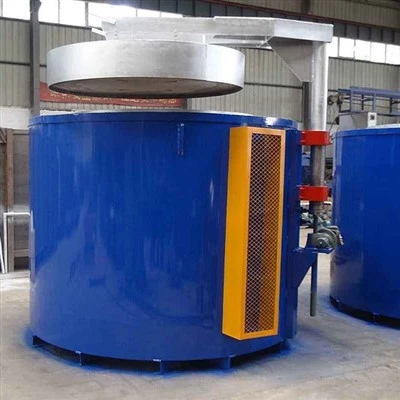
Danyang Dingfeng Industrial Furnace Co., Ltd. is one of the most experienced well furnace manufacturers and suppliers in China, also supports customized service with low price. Please feel free to wholesale high quality well furnace made in China here from our factory. For pricelist, contact us now.
Address: Lizhuang Economic Development Zone, Danyang City
E-mail: saleszk@dffurnace.com
WebSite: https://www.dffurnace.com/
