Hey there! I’m in the food packaging bags game. As more and more of us are going green, I get a ton of questions about biodegradable food packaging bags. People wanna know what they’re made of, how eco – friendly they really are, and if they can do the job of regular packaging. So, I thought I’d take a deep dive into the materials that make up these awesome biodegradable food packaging bags. Food Packaging Bags

Let’s start with one of the most common materials: paper. Paper has been around for ages, and it’s a classic when it comes to packaging. It’s made from wood pulp, which is a renewable resource. Trees are replanted, and the cycle continues. Paper is great because it’s easy to print on, so you can put all your brand info right on the bag. It’s also relatively strong, especially if it’s a thicker grade. You can use paper bags for all sorts of food, from baked goods to sandwiches.
But here’s the thing about paper. It’s not super resistant to moisture. If you’re packing something really wet or greasy, the paper can start to break down pretty quickly. That’s why sometimes, paper bags are coated with a thin layer of wax or a biodegradable polymer. The wax helps keep the moisture out, and the polymer can add some extra strength.
Another popular material is cornstarch. Cornstarch – based packaging is pretty cool. It’s made from, well, corn! So, it’s a natural and renewable material. The corn is processed into a type of plastic – like substance. This material is biodegradable, which means it’ll break down over time.
One of the big advantages of cornstarch packaging is that it looks and feels a lot like traditional plastic. You can make all sorts of shapes and sizes, just like with regular plastic bags. It’s also transparent, so customers can see what’s inside. And it’s great for food that doesn’t need a lot of protection from the outside environment, like dry snacks.
However, cornstarch packaging has its limitations. It’s not as strong as some other materials. It can be a bit brittle, especially in cold temperatures. And if it gets wet, it can start to dissolve. But for a lot of food products, the pros definitely outweigh the cons.
Now, let’s talk about PLA, or polylactic acid. PLA is another biodegradable plastic that’s made from renewable resources, usually corn or sugarcane. It’s a popular choice for food packaging because it’s clear, strong, and has good barrier properties against oxygen and moisture.
PLA can be used to make all sorts of packaging, from trays to bags. It’s great for keeping food fresh. For example, if you’re packaging fresh produce, the PLA will help keep the oxygen out and the moisture in, which extends the shelf life of the food.
But, like everything, PLA has its downsides. It needs specific conditions to break down. It won’t biodegrade as easily in a regular landfill as it would in a composting facility. So, while it is biodegradable, we need to make sure we’re disposing of it properly.
Next up is whey protein. Yeah, you heard me right! Whey is a by – product of cheese production. Scientists have found a way to turn whey protein into a biodegradable film. This film can be used to wrap food.
Whey protein films have some really interesting properties. They’re good at blocking oxygen, which helps keep food fresh. They’re also edible, which is pretty wild! Imagine if you could just eat the packaging along with the food. It’s not quite at that stage yet, but it shows the potential of this material.
However, whey protein isn’t as widely used as some of the other materials. It’s still relatively expensive to produce, and the technology is still being developed. But I think in the future, we’ll see more of it in the market.
Another material worth mentioning is mushroom mycelium. Mycelium is the root – like structure of mushrooms. It can be grown into all sorts of shapes and used for packaging. It’s a great alternative to styrofoam because it’s biodegradable.
Mycelium – based packaging is strong and lightweight. It can protect food from damage during shipping. And since it’s made from mushrooms, it’s completely natural. It’ll break down in the soil pretty quickly, leaving no harmful residues behind.
But, like whey protein, it’s not as commonly used yet. The production process is a bit more complex, and it might not be as cost – effective as some other materials.
Now, as a food packaging bags supplier, I know that choosing the right material is crucial. You gotta think about the type of food you’re packing, the shelf life you want, and of course, the environmental impact.
If you’re packing a dry snack, a cornstarch or paper bag might be perfect. They’re biodegradable and cost – effective. For fresh produce or meat, you might want to consider PLA because of its good barrier properties. And if you’re looking for something really unique and eco – friendly, mushroom mycelium or whey protein could be the way to go, even though they might be a bit more expensive.
I also understand that you might have some concerns about the performance of these biodegradable materials. You’re used to traditional plastic, which is strong and reliable. But trust me, the technology has come a long way. These biodegradable materials are getting better and better all the time.
If you’re in the food business and you’re thinking about switching to biodegradable packaging, I’m here to help. I’ve got a wide range of options, and I can work with you to find the perfect solution for your products. Whether you’re a small local bakery or a large food chain, I’ve got something for you.
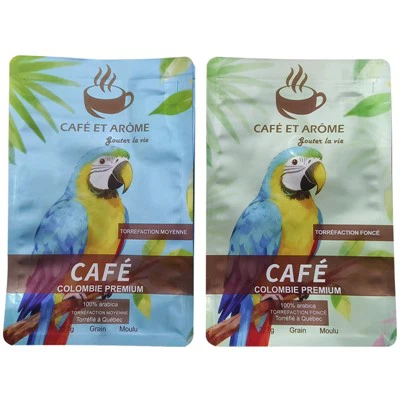
So, if you’re interested in learning more about our biodegradable food packaging bags, or if you want to place an order, just reach out. We can have a chat, and I’ll answer all your questions. Let’s make the world a greener place, one food packaging bag at a time!
Flexible Packaging References:
- "Biodegradable Polymers for Food Packaging Applications" – Journal of Food Science
- "Renewable Resources in Food Packaging" – Annual Review of Food Science and Technology
- "Advancements in Biodegradable Packaging Materials" – Packaging Technology and Science
Shandong Lepu Digital Printing Co., Ltd.
Shandong Lepu Digital Printing Co., Ltd. is one of the most professional food packaging bags manufacturers and suppliers in China, specialized in providing high quality customized service. We warmly welcome you to buy high-grade food packaging bags made in China here from our factory.
Address: 500 meters north of the intersection of Huaihai 2nd Road and Xiwu Road, Junan County, Linyi City, Shandong Province
E-mail: sales01@lepupac.com
WebSite: https://www.lepupouch.com/
