Can silicon tubing be used in high – flow rate systems? Silicon Tubing
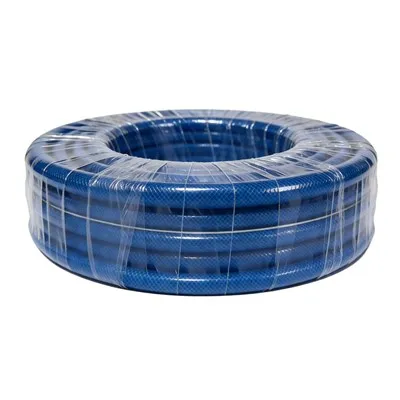
Hey there! I’m a supplier of silicon tubing, and today I wanna talk about whether silicon tubing can be used in high – flow rate systems. It’s a question I get asked a lot, so let’s dive right in.
First off, let’s understand what high – flow rate systems are. These are the systems where fluids or gases move through a pipeline at a relatively fast pace. Think about industrial applications like chemical processing plants, large – scale water treatment facilities, or even the cooling systems in some big – time manufacturing units. In these types of setups, the tubing has to be able to handle a significant amount of material flowing through it without any major issues.
So, can silicon tubing cut it in these high – flow rate scenarios? Well, silicon tubing has some pretty cool features that make it a strong candidate.
One of the big advantages of silicon tubing is its flexibility. Silicon is an elastomer, which means it can bend and stretch without breaking. This is super useful in high – flow rate systems because the tubing might need to be routed around different obstacles or through tight spaces. For example, in a chemical processing plant, the tubing has to snake around all kinds of machinery. With its flexibility, silicon tubing can be easily installed in these complex layouts without crimping or kinking, which could otherwise restrict the flow.
Another plus is the chemical resistance of silicon tubing. In many high – flow rate systems, the fluids or gases being transported can be pretty harsh on the tubing. For instance, in a water treatment plant, chlorine or other disinfectants are often used. These chemicals can eat away at some types of tubing over time. But silicon tubing is highly resistant to a wide range of chemicals, including acids, bases, and solvents. This means it can last longer in these environments and won’t break down or contaminate the fluids passing through it.
Silicon tubing also has good temperature resistance. High – flow rate systems can generate a fair amount of heat, especially if there’s a lot of friction from the fast – moving fluids. Silicon tubing can withstand both high and low temperatures quite well. It remains flexible even in cold conditions and doesn’t melt or deform easily at high temperatures. So, whether it’s a hot – water circulation system or a cryogenic gas transfer setup, silicon tubing can hold up.
But it’s not all sunshine and rainbows. There are also some challenges when using silicon tubing in high – flow rate systems.
One issue is the pressure rating. High – flow rate systems usually come with higher pressures. While silicon tubing can handle a certain amount of pressure, it might not be as strong as some other materials like metal tubing. If the pressure gets too high, there’s a risk of the silicon tubing bursting. So, it’s important to carefully assess the pressure requirements of the system and make sure the silicon tubing you choose has an appropriate pressure rating.
Another thing is the potential for abrasion. When fluids or gases are flowing at a high rate, they can cause abrasion on the inside of the tubing. Over time, this can wear down the silicon and reduce its lifespan. To combat this, some manufacturers offer silicon tubing with a reinforced interior or a special coating to increase its abrasion resistance.
Now, let’s talk about some real – world applications where silicon tubing has been used in high – flow rate systems. In the food and beverage industry, silicon tubing is often used for transferring liquids like juices or milk. These systems usually have a relatively high flow rate, and silicon tubing is a popular choice because it’s food – grade, flexible, and easy to clean.
In the medical field, silicon tubing is used in high – flow oxygen delivery systems. The tubing needs to be able to handle a large volume of oxygen flowing through it to reach patients quickly. Its biocompatibility and flexibility make it ideal for this kind of application.
So, in conclusion, silicon tubing can definitely be used in high – flow rate systems, but it’s important to consider its pros and cons. If you’ve got a system with moderate pressure, a need for flexibility, and a requirement for chemical or temperature resistance, silicon tubing could be a great option.
But before you make a decision, it’s always a good idea to do a thorough assessment of your system’s requirements. You might want to consult with an engineer or someone with experience in fluid handling systems.
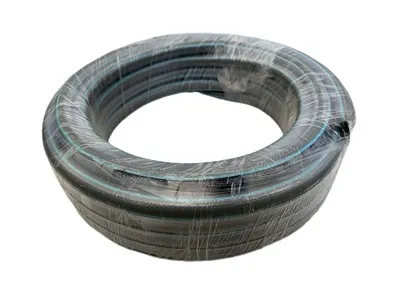
If you’re thinking about using silicon tubing in your high – flow rate system, I’d love to have a chat. As a silicon tubing supplier, I can help you find the right tubing for your specific needs. Whether it’s about the size, the pressure rating, or the chemical compatibility, I’m here to assist. Just reach out, and we can discuss your project in more detail.
Flexible Plastic Pipe References:
- "Handbook of Elastomers" by A. K. Bhowmick and H. L. Stephens
- "Fluid Mechanics and Hydraulics" by Mott, R. L.
- "Medical Tubing: Materials, Properties, and Applications" by various industry experts
Weifang Xinzhiyuan Plastic Co., Ltd.
As one of the most experienced silicon tubing manufacturers and suppliers in China, we offer a wide range of products with superior quality. Please feel free to wholesale premium silicon tubing made in China here from our factory. We also accept customized orders.
Address: No. 700, Tongle Street, Economic Development Zone, Changle County, Weifang City, Shandong Province
E-mail: hua@xzypvchose.com
WebSite: https://www.pvchose-xzy.com/
