When it comes to kids drinkware, parents always want to ensure they choose the best for their little ones. One of the key considerations is the capacity of the drinkware. As a kids drinkware supplier, I’ve had the opportunity to delve deep into the market and understand what capacities are most commonly sought after. There are a number of aspects to consider when trying to pinpoint the most common capacity, including the age of the child, typical usage scenarios, and industry trends. Kids Drinkware
Age – Based Capacity Preferences
The age of a child plays a crucial role in determining the appropriate capacity of their drinkware. For infants, who are typically under one year old, the most common capacity ranges from 4 to 8 ounces (about 118 to 237 milliliters). At this stage, infants rely mainly on breast milk or formula, and their small stomachs can only hold limited amounts at a time. A 4 – ounce bottle is often sufficient for a newborn, as their stomach capacity is quite tiny, initially around the size of a cherry. As they grow, by about 2 – 3 months, they can handle a bit more, and an 8 – ounce bottle becomes a suitable option.
For toddlers, usually aged 1 to 3 years, the common capacity jumps to around 8 to 12 ounces (237 to 355 milliliters). Toddlers are more active and have a growing need for fluids, whether it’s water, milk, or diluted juice. They are also starting to develop better motor skills, which allows them to hold and drink from slightly larger cups. An 8 – ounce cup is a good starting point, but as they get closer to 3 years old, they can manage 12 ounces without much difficulty.
Preschoolers, from 3 to 5 years old, can typically handle drinkware with a capacity of 12 to 16 ounces (355 to 473 milliliters). At this age, they are in a phase of rapid development, and their physical activities increase significantly. They need more fluids to stay hydrated throughout the day, especially during playtime at school or outdoor adventures. A 16 – ounce cup or bottle gives them enough liquid to last for a few hours without the need for frequent refills.
Usage Scenarios and Capacity
The intended use of the drinkware also influences the common capacity. For at – home use, parents may prefer a variety of capacities depending on the time of day and the child’s needs. For example, in the morning, a smaller 8 – ounce cup might be used for a glass of milk with breakfast, while a larger 16 – ounce bottle could be filled with water for the child to sip on throughout the day.
For school or daycare, a well – balanced capacity is essential. A 12 – ounce bottle is often a popular choice because it’s not too heavy for kids to carry around, yet it provides enough water to keep them hydrated during their school hours. It also fits easily into school backpacks, which are usually designed to accommodate standard – sized bottles.
When it comes to outdoor activities such as picnics, hikes, or sports events, a larger capacity of 16 to 20 ounces (473 to 591 milliliters) is more common. Kids are more likely to get dehydrated during these activities, and a larger bottle ensures they have an adequate supply of water. It also reduces the need for parents to constantly refill the drinkware, allowing them to focus on enjoying the activity with their children.
Industry Trends and Common Capacities
In recent years, there has been a growing trend towards eco – friendly and reusable kids drinkware. This has influenced the common capacities available in the market. Many manufacturers are now offering a range of options in popular capacities to meet the diverse needs of parents and children.
There is also a trend of multi – use drinkware. For example, some cups can be converted from a sippy cup for toddlers to a regular drinking cup for older kids. These versatile products often come in the 10 – 12 – ounce range, which is suitable for a wider age spectrum.
In addition, the rise of personalization in kids drinkware has affected capacity choices. Parents are more likely to invest in custom – designed drinkware with a capacity that suits their child’s specific needs. This has led to an increased demand for a variety of capacities, as opposed to a one – size – fits – all approach.
Impact of Design on Capacity Perception
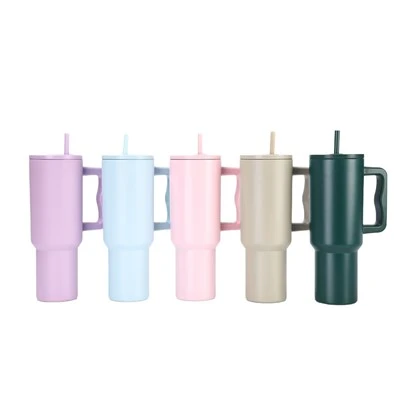
The design of kids drinkware can also have an impact on how capacity is perceived. Some cups and bottles are designed with a wider base and a narrower top, which can make them appear smaller than they actually are in terms of capacity. On the other hand, sleek and tall designs may give the impression of a larger capacity even if the actual volume is not as big.
Colorful and fun – themed designs are very popular among kids. They can also influence the perception of capacity. A brightly colored cup with a cartoon character may seem more appealing to a child, regardless of its capacity. However, parents still need to make sure the capacity meets their child’s needs.
Customer Needs and Preferences
As a kids drinkware supplier, I’ve interacted with numerous parents and caregivers. Their feedback has been invaluable in understanding the most common capacity requirements. Many parents are looking for drinkware that is easy to clean, durable, and has a suitable capacity for their child’s age and lifestyle.
Some parents prefer smaller capacities for younger children because they are easier to handle and less likely to spill. For older children, larger capacities are favored as they reduce the need for constant refilling. There are also parents who like to have a set of different – sized drinkware for different occasions.
The Role of Safety in Capacity Selection
Safety is always a top priority when it comes to kids drinkware. The capacity of the drinkware should not compromise the safety of the child. For example, a very large and heavy bottle may be difficult for a young child to hold, increasing the risk of spills and potential injury.
On the other hand, a too – small capacity may not provide enough fluids for a child, especially during hot weather or physical activities. It’s important to strike a balance between capacity and safety to ensure the well – being of the child.
Conclusion and Call to Action
In conclusion, the most common capacity of kids drinkware varies depending on the age of the child, usage scenarios, industry trends, and customer preferences. For infants, 4 – 8 ounces is typical; for toddlers, 8 – 12 ounces; for preschoolers, 12 – 16 ounces; and for outdoor activities, 16 – 20 ounces may be more appropriate.
As a dedicated kids drinkware supplier, I understand the importance of providing high – quality products that meet the diverse needs of parents and children. Whether you’re looking for a specific capacity for your child’s age or a particular usage scenario, I’m here to help. Our range of kids drinkware is designed with safety, durability, and functionality in mind.
If you’re interested in exploring our product offerings or have any questions about the right capacity for your child’s drinkware, I encourage you to reach out. We’re more than happy to engage in a detailed discussion about your procurement needs and find the best solutions for you.
References
Coffee Cup American Academy of Pediatrics. "Infant Nutrition." Pediatrics, 2012.
Centers for Disease Control and Prevention. "Healthy Nutrition for Toddlers and Preschoolers." CDC Reports, 2020.
Yongkang Paixin Trading & Manufacturing Co., Ltd.
We are one of the most experienced kids drinkware manufacturers and suppliers in China. With a professional production team, we are able to meet the needs of the majority of our customers. Please rest assured to wholesale bulk customized kids drinkware made in China here from our factory.
Address: No. 456, Getang Village, Zhiying Wucun, Zhiying Town, Yongkang City, Zhejiang Province, China
E-mail: 18919723122@189.cn
WebSite: https://www.paxincup.com/
