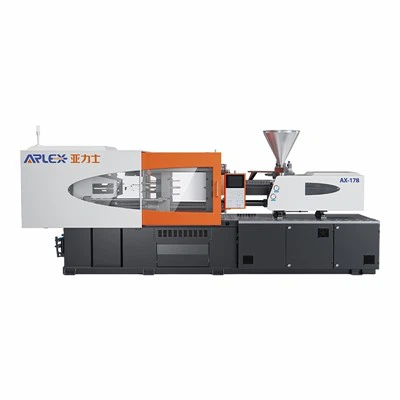
Maintaining a hot runner system in a PET injection molding machine is crucial for ensuring its long – term performance, product quality, and cost – effectiveness. As a leading supplier of PET injection molding machines, I have witnessed firsthand the significance of proper maintenance in optimizing the entire production process. PET Injection Molding Machine
Understanding the Hot Runner System in PET Injection Molding
Before delving into maintenance practices, it is essential to understand the fundamental role of the hot runner system in a PET injection molding machine. The hot runner system is a critical component that delivers molten plastic from the injection unit to the mold cavities. In PET molding, maintaining a consistent temperature is of utmost importance because PET is highly sensitive to temperature variations. An improper temperature can lead to issues such as inconsistent wall thickness, visible weld lines, and even degradation of the PET material.
The hot runner system consists of several key parts, including nozzles, manifolds, heaters, thermocouples, and valves. Each part plays a distinct role in ensuring the smooth flow of molten PET from the barrel of the injection machine to the mold. The nozzles are responsible for precisely injecting the PET into the mold cavities, while the manifolds distribute the molten plastic evenly. Heaters maintain the required temperature, and thermocouples monitor it to provide feedback for temperature control. Valves control the flow of the molten plastic, enabling precise gating and molding.
Regular Cleaning and Inspection
One of the most basic yet crucial maintenance steps is regular cleaning and inspection. Over time, various contaminants can accumulate in the hot runner system, including carbon deposits, degraded PET resin, and foreign particles. These contaminants can impede the flow of molten plastic, block the nozzles, and cause uneven heating.
To clean the hot runner system, first, ensure that the machine is completely shut down and cooled down to a safe temperature. Remove the nozzles, manifolds, and other removable parts carefully. Use a non – abrasive cleaning solution that is compatible with PET and the materials of the hot runner components. Soak the parts in the cleaning solution for an appropriate period to loosen the contaminants. Then, use soft brushes to gently scrub away any remaining debris. Pay special attention to small orifices and channels, as blockages in these areas can cause significant problems.
After cleaning, conduct a thorough visual inspection of all components. Look for signs of wear, such as cracks, rough surfaces, or warping. Check the condition of the heaters and thermocouples for any visible damage, loose connections, or signs of insulation breakdown. Any damaged parts should be replaced immediately to prevent further issues during operation.
Temperature Management
As mentioned earlier, temperature control is vital in PET injection molding. Improper temperature settings can lead to a range of quality problems and potentially damage the hot runner system. Regularly calibrate the temperature controllers to ensure accurate temperature readings. Use high – precision thermometers to verify the actual temperature at different points in the hot runner system, such as the nozzles and manifolds.
Set the temperature according to the specific requirements of the PET material being used. Different grades of PET have different melting points and processing temperature ranges. Consult the material manufacturer’s guidelines to determine the optimal temperature settings. Be aware that sudden temperature fluctuations, either due to power outages or improper control settings, can cause thermal stress on the hot runner components, leading to premature wear and failure.
During operation, monitor the temperature continuously. Most modern PET injection molding machines are equipped with advanced temperature monitoring systems that can provide real – time data on temperature variations. If any abnormal temperature changes are detected, take immediate action to investigate and correct the issue. This may involve checking the heater elements, thermocouples, or the temperature control software.
Lubrication and Sealing
Proper lubrication and sealing are essential for the smooth operation of the hot runner system. Moving parts, such as valve pins, need to be lubricated regularly to reduce friction and prevent wear. Use a high – quality lubricant that is compatible with the materials in the hot runner system and the PET resin. Apply the lubricant sparingly to avoid contamination of the plastic melt.
Check the seals in the hot runner system frequently. Leaking seals can cause the molten PET to escape, leading to a loss of pressure in the system and contamination of the surrounding area. Replace any worn or damaged seals promptly. Ensure that the seals are installed correctly and tightened to the appropriate torque to prevent leaks.
Preventive Maintenance Schedule
Developing and following a preventive maintenance schedule is a proactive approach to maintaining the hot runner system. A well – planned schedule can help identify potential problems before they escalate into major issues, reducing downtime and maintenance costs.
The preventive maintenance schedule should include daily, weekly, monthly, and annual tasks. Daily tasks may include visual inspections, temperature checks, and monitoring of the system’s performance indicators. Weekly tasks could involve cleaning the accessible parts of the hot runner system and checking the lubrication and sealing.
Monthly tasks may include more in – depth inspections of the heaters, thermocouples, and valves. Check the electrical connections for tightness and signs of corrosion. Annually, consider a comprehensive overhaul of the hot runner system. This may involve disassembling the entire system for a thorough cleaning, inspection of all components, and replacement of any parts that are approaching the end of their service life.
Training and Education
Proper maintenance of the hot runner system also depends on the knowledge and skills of the operators and maintenance staff. Provide comprehensive training to your employees on the operation and maintenance of the PET injection molding machine, with a particular focus on the hot runner system.
The training should cover topics such as the basic principles of the hot runner system, how to perform routine maintenance tasks, how to troubleshoot common problems, and how to interpret the system’s performance data. Encourage employees to stay updated on the latest industry trends and best practices in hot runner system maintenance. This can be achieved through attending industry seminars, workshops, and online training courses.
Importance of Record – Keeping
Maintaining detailed records of all maintenance activities is an often – overlooked but crucial aspect of hot runner system maintenance. Record – keeping helps in tracking the history of the system, including when maintenance tasks were performed, what parts were replaced, and any issues that were encountered.
These records can be valuable for several reasons. Firstly, they can help in predicting when certain components are likely to need replacement based on their usage and performance history. Secondly, they can be used to analyze trends in system performance and identify any recurring problems. This information can be used to make improvements to the maintenance schedule or to modify the operation of the machine to prevent similar issues from occurring in the future.
Conclusion

In conclusion, maintaining a hot runner system in a PET injection molding machine requires a comprehensive approach that includes regular cleaning and inspection, accurate temperature management, proper lubrication and sealing, a well – defined preventive maintenance schedule, adequate training of personnel, and detailed record – keeping. By following these practices, you can ensure the long – term reliability and performance of your PET injection molding machine, leading to higher – quality products, increased productivity, and reduced production costs.
PET Injection Moulding Machine If you are in the market for a PET injection molding machine or need further advice on hot runner system maintenance, we are here to help. Our team of experts has extensive experience in the field and can provide you with customized solutions to meet your specific production needs. Contact us to start a discussion about your requirements and explore how our machines and services can benefit your business.
References
- "Injection Molding Handbook" by Rosato, Rosato, and co – authors.
- Manufacturer’s manuals for various PET injection molding machines and hot runner systems.
- Industry research papers on PET injection molding and hot runner system technology.
Ningbo Yalishi (Arlex) Plastic Machinery Co., Ltd.
Address: No.63, Huangsu East Road, Industrial Zone, Dongqian Lake Tourist Resort, Ningbo, Zhejiang Province
E-mail: leo@arlex.cn
WebSite: https://www.arleximm.com/
