Hey there, cycling enthusiasts! As a supplier of carbon fiber road forks, I get asked a ton about how to tell if a carbon fiber road fork is damaged. It’s a crucial question, ’cause a damaged fork can seriously mess with your ride and, more importantly, your safety. So, let’s dive right into it and figure out how to spot those pesky signs of damage. Carbon Fiber Road Fork

Visual Inspection: The First Step
The easiest way to start is with a good old – fashioned visual check. Grab your fork and find a well – lit area. Look at it from every angle, like you’re a detective searching for clues.
One of the first things to look for is cracks. Cracks in carbon fiber can be really sneaky. They might start off as tiny hairline fractures that are hard to see. Check around the dropouts, where the wheel attaches to the fork, and the crown, which is the top part that connects the fork blades.
Scratches are another giveaway. While not all scratches mean your fork is toast, deep scratches are a red flag. If you can feel the scratch with your fingernail, it’s probably deeper and could potentially affect the structural integrity of the fork. Look for scratches on the fork blades, especially on the leading edge, which is more likely to get hit by debris on the road.
Discoloration is also something to watch out for. Any unusual dark spots or changes in color could be a sign of internal damage. Carbon fiber can get discolored if it’s been heated or if there’s been some kind of impact that’s caused internal stress.
Touch and Feel
After the visual inspection, it’s time to use your hands. Run your fingers over the surface of the fork. A smooth surface is a good sign, but if you feel any bumps, dents, or irregularities, that could mean trouble.
For example, a dent might seem small, but it can weaken the carbon fiber. Dents can happen if your bike gets knocked around during transportation or if you accidentally hit a hard object. Pay close attention to the areas near the steerer tube, which is the part that fits into the frame’s head tube.
If you notice any soft spots when you press gently on the fork, that’s a major concern. Soft spots indicate that the carbon fiber has lost its stiffness, which is a big no – no for a road fork.
Sound Test
Here’s a little trick that can be really helpful. Take a small, hard object, like a coin, and gently tap the fork all over. Listen carefully to the sound it makes. A healthy carbon fiber fork should produce a clear, ringing sound.
If you hear a dull or thuddy sound in a particular area, it could mean that there’s damage. The change in sound is due to the fact that the damaged carbon fiber can’t vibrate the same way as the undamaged parts. You’ll need to tap the fork evenly everywhere to get an accurate comparison.
Signs in Use
How the bike rides can also tell you a lot about the condition of the fork. If you notice that your steering feels off, like it’s loose or wobbly, that could be a sign of a damaged fork. A damaged fork might not be able to provide the proper support and stability, which can make your bike hard to control.
Uneven braking is another sign. If one side of the brakes seems to be working better than the other, it could be because the fork is bent or damaged in some way. This can affect the alignment of the wheels and, ultimately, your braking performance.
If your bike starts to make strange noises while you’re riding, like creaking or groaning, that’s also something to be worried about. These noises can indicate that the carbon fiber is under stress or that there’s a problem with the connection between the fork and the rest of the bike.
Causes of Damage
To understand how to spot damage, it’s also helpful to know what can cause it. One of the most common causes is impact. Hitting a large pothole, a curb, or even a rock on the road can cause damage to the fork. Even a seemingly minor impact can create internal stress that might lead to cracks over time.
Another cause is improper installation. If the fork isn’t installed correctly, it can put extra stress on certain parts, leading to damage. For example, if the steerer tube is cut too short or if the headset isn’t tightened properly, it can cause problems.
Exposure to extreme temperatures can also affect carbon fiber. High heat can make the resin in the carbon fiber break down, while extreme cold can make the material brittle. Over time, these temperature – related changes can lead to damage.
What to Do If You Suspect Damage
If you think your carbon fiber road fork is damaged, the first thing you should do is stop riding it. A damaged fork can fail at any time, and that’s a huge safety risk.
Next, it’s a good idea to take your bike to a professional bike mechanic. They have the tools and expertise to do a more in – depth inspection. They might use things like ultrasound or X – rays to check for internal damage that you can’t see with the naked eye.
If the damage is minor, the mechanic might be able to repair it. However, in many cases, a damaged carbon fiber fork needs to be replaced. It’s better to be safe than sorry when it comes to your bike’s components.
Why Choose Our Carbon Fiber Road Forks
Now, I know you’re thinking about where to get a reliable carbon fiber road fork. Well, that’s where we come in. Our carbon fiber road forks are made with high – quality materials and state – of the – art manufacturing processes. We test each fork thoroughly to ensure it meets the highest standards of quality and safety.
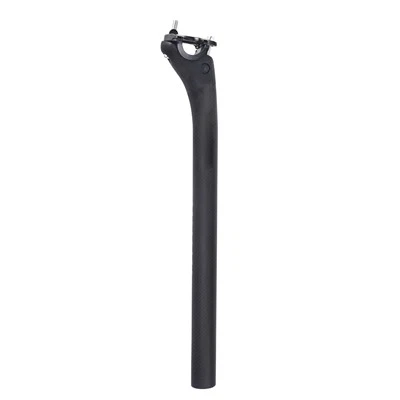
We understand that cyclists need a fork that can handle the rigors of the road. Whether you’re a weekend warrior or a competitive cyclist, our forks are designed to provide the performance and reliability you need. We offer a range of forks with different geometries and features to suit your specific riding style and preferences.
Bike Fork If you’re in the market for a new carbon fiber road fork, or if you’ve got questions about our products, don’t hesitate to reach out. We’re here to help you make the right choice for your bike. Contact us to start a discussion about your needs and how our carbon fiber road forks can enhance your cycling experience.
References
- "Bicycle Mechanics Manual" – A comprehensive guide to bike maintenance and repair, which includes information on carbon fiber components.
- Industry reports on the performance and durability of carbon fiber materials in cycling applications.
Hunan Yecheng Technology Co., Ltd.
We’re well-known as one of the leading carbon fiber road fork manufacturers and suppliers in China, also support customized service. Please feel free to buy high quality carbon fiber road fork for sale here from our factory. For more information, contact us now.
Address: Changsha, Hunan Province, China.
E-mail: info@rxlsl.com
WebSite: https://www.rxlsl.com/
