As a supplier of multi-layer labels, I’ve witnessed the ever-evolving landscape of labeling in various industries. In an era where product authenticity is of utmost importance, the demand for highly anti-counterfeiting multi-layer labels has surged. Today, I’d like to share some insights on how to make multi-layer labels more anti-counterfeiting, drawing from our practical experience and industry knowledge. Multi-layer Labels
Understanding the Basics of Multi-layer Labels
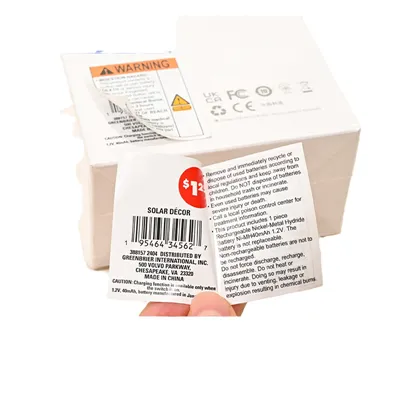
Multi-layer labels are composed of multiple layers of materials, each serving different functions. The top layer is often the visible part with product information, branding, and sometimes barcodes or QR codes. Beneath it, there can be additional layers for security features, hidden messages, or tamper-evident elements. The structure allows for a more complex and secure design compared to single-layer labels.
Incorporating Advanced Printing Technologies
One of the most effective ways to enhance the anti-counterfeiting capabilities of multi-layer labels is through advanced printing technologies.
Microprinting
Microprinting involves printing extremely small text or images that are barely visible to the naked eye. On multi-layer labels, microprinting can be placed on both the visible layer and hidden layers. For example, a minute serial number or a company logo can be printed on the second layer. Only with the help of a magnifying glass can consumers or inspectors verify the authenticity of the label. Counterfeiters find it incredibly difficult to reproduce such fine details accurately.
Holographic Printing
Holographic printing adds a three – dimensional visual effect to the label. It creates a dynamic and unique image that changes as the viewing angle shifts. When incorporated into multi-layer labels, holograms can be placed on different layers to add an extra layer of complexity. Holograms are not only eye – catching for consumers but also extremely challenging to replicate. Additionally, modern holographic technologies can include encoded information, such as a unique digital signature, which can be verified using specialized equipment.
Variable Data Printing
Variable data printing allows different information to be printed on each label. This could include serial numbers, batch numbers, or expiration dates. By integrating variable data into multi-layer labels, it becomes much harder for counterfeiters to mass – produce fake labels. Each label can have a unique identifier, and consumers can cross – check this information through a verification system provided by the brand.
Using Specialized Materials
The choice of materials in multi-layer labels plays a crucial role in anti – counterfeiting.
Security Papers
There are various types of security papers available in the market. For example, papers with embedded fibers or watermarks can be used as one of the layers in multi-layer labels. These fibers are randomly distributed and have unique colors and shapes, making them difficult to imitate. Watermarks are also a classic anti – counterfeiting feature that can be visible when the label is held up to the light.
Tamper – Evident Films
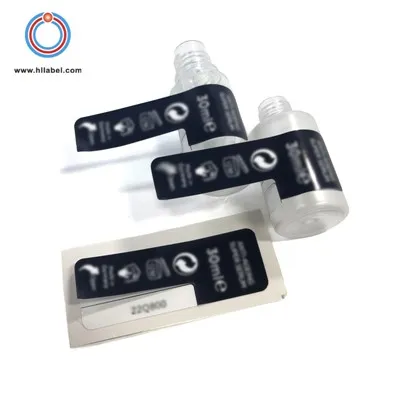
Tamper – evident films are designed to show visible signs of tampering if someone tries to remove or alter the label. When incorporated into multi-layer labels, these films can be placed on the outer layer or between the layers. For instance, if a counterfeiter tries to peel off the label, the tamper – evident film will leave behind a pattern, such as "VOID" or "TAMPERED," that cannot be removed or re – applied without obvious signs of damage.
RFID Tags
Radio – Frequency Identification (RFID) tags can be integrated into multi-layer labels. These tags can store a large amount of data, including product origin, manufacturing details, and shipping information. When a consumer uses a compatible device, they can access this information, which helps verify the authenticity of the product. RFID tags are also difficult to clone, as they often use encryption technology to protect the data stored within.
Implementing Hidden Features
Hidden features in multi-layer labels add an extra layer of security that is not immediately obvious to the naked eye.
Fluorescent Inks
Fluorescent inks can be used to print hidden messages or patterns on one of the layers of the multi – layer label. These inks are invisible under normal light but glow brightly under ultraviolet (UV) light. Brands can use fluorescent inks to print important information, such as a secret code or a logo, which can only be revealed using a UV light source. This feature is easy for consumers to verify, but difficult for counterfeiters to reproduce.
Chemical Reagents
Some multi – layer labels can incorporate chemical reagents. For example, a specific chemical can be applied to one of the layers, which reacts with a particular substance on the product or packaging. When a consumer or inspector tests the label using the appropriate substance, a visible change occurs, indicating the authenticity of the label. This type of hidden feature is highly secure as it requires knowledge of the chemical reaction and the specific reagents.
Hidden Images or Patterns
Multi – layer labels can also contain hidden images or patterns that are only revealed when certain conditions are met. For example, by scratching off a layer or peeling back a section of the label, a hidden image or QR code is exposed. These hidden elements can provide additional verification steps for consumers and add a layer of sophistication to the anti – counterfeiting design.
Quality Control and Traceability
In addition to the above – mentioned anti – counterfeiting measures, a rigorous quality control system and traceability process are essential.
Quality Control
During the production of multi – layer labels, strict quality control is necessary to ensure that all anti – counterfeiting features are correctly implemented. Regular inspections should be carried out at different stages of the production process, from material selection to the final printing and assembly. This includes checking the accuracy of microprinting, the clarity of holograms, and the functionality of RFID tags. Any defective labels should be immediately discarded to prevent their circulation in the market.
Traceability
Implementing a traceability system allows brands to track the entire lifecycle of the multi – layer labels. This includes recording information such as the date and time of production, the batch number, and the destination of the labels. In case of any suspected counterfeiting activities, the brand can quickly trace back to the source of the labels and take appropriate actions. Traceability also helps build trust with consumers, as they can be assured that the labels and the products they are attached to are properly monitored.
Conclusion
Making multi – layer labels more anti – counterfeiting requires a combination of advanced printing technologies, specialized materials, hidden features, and a robust quality control and traceability system. As a multi – layer label supplier, we are committed to continuously innovating and improving our products to meet the ever – growing anti – counterfeiting needs of our customers.
Easy-tear Label If you are interested in enhancing the anti – counterfeiting capabilities of your product labels, we would be delighted to have a discussion with you. Our team of experts can work closely with you to develop customized multi – layer label solutions that meet your specific requirements. Contact us to start the procurement negotiation process and take a step towards protecting your brand from counterfeiting.
References
- Smith, J. (2020). Advanced Printing Technologies for Anti – Counterfeiting Labels. Journal of Labeling Science, 15(2), 45 – 56.
- Johnson, A. (2019). The Role of Specialized Materials in Label Security. Packaging Research Review, 22(3), 78 – 89.
- Brown, C. (2021). Hidden Features in Anti – Counterfeiting Labels: A Comparative Analysis. International Journal of Product Authenticity, 8(1), 23 – 37.
Huizhou Huilong Printing Company Limited
As one of the most professional multi-layer labels manufacturers in China, we have world-leading production equipment and strong manufacturing capabilities. Please feel free to buy bulk multi-layer labels in stock here from our factory. Also, pricelist is available.
Address: Xin’er Group, Xiamazhuang, Huicheng District, Huizhou City, Guangdong Province
E-mail: huilong278@163.com
WebSite: https://www.huilonglable.com/
